Product Launch Event Planning: A Complete Guide for Businesses
August 11, 2026 | Written by Max Events
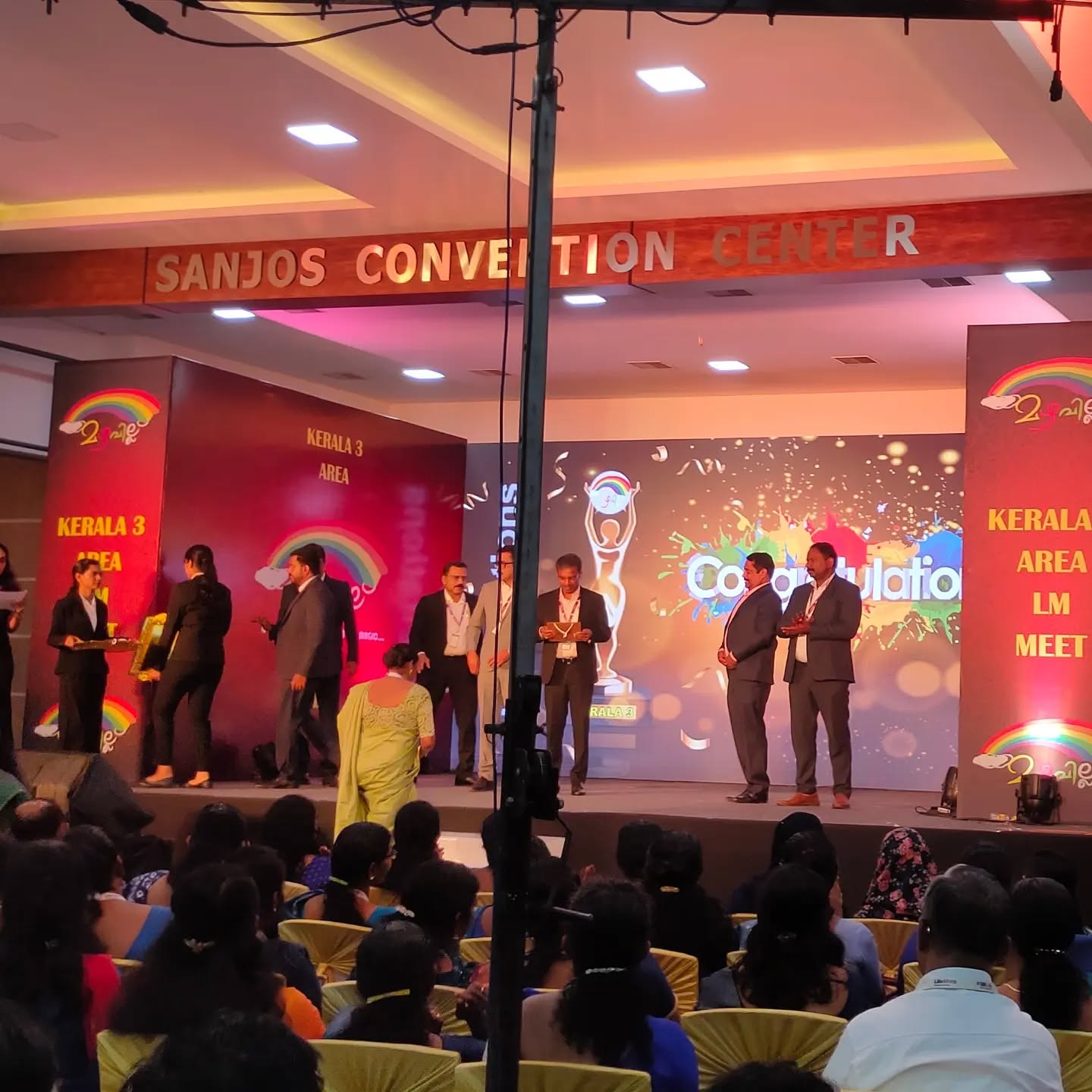
Launching a new product is more than simply introducing something to the market. It is an opportunity to create excitement, communicate your brand story, connect with the right audience, and build momentum for future growth. Effective Product Launch Event Planning brings these elements together through careful strategy, creative experiences, professional execution, and measurable goals.
At Max Events, we help businesses plan and execute memorable launch experiences that put the product at the centre of attention while creating meaningful engagement with customers, partners, media, and industry audiences. From the initial concept to post-event follow-up, every stage is planned around your business objectives.
What Is Product Launch Event Planning?
Product Launch Event Planning is the process of designing, organising, promoting, and managing an event created to introduce a new product or service to a specific audience.
A successful launch may include product demonstrations, presentations, interactive experiences, entertainment, media engagement, networking opportunities, branded environments, and technology-driven experiences.
The purpose is not simply to host an attractive event. A well-planned launch should support measurable business goals such as increasing awareness, generating qualified leads, encouraging product trials, strengthening brand positioning, or supporting early sales.
Why Is Product Launch Event Planning Important for Businesses?
Why invest in a dedicated launch strategy when a product can simply be announced online?
A professionally planned launch gives businesses an opportunity to create a memorable first impression. Following effective product launch event planning tips for businesses can help ensure that the event reaches the right audience, communicates the product’s value clearly, and creates meaningful engagement. Instead of customers only reading about a product, they can see it, experience it, ask questions, and understand its practical value.
A strong launch can also:
The right product launch event connects the product with a carefully selected audience and a compelling story. With the right planning, businesses can turn a product announcement into an engaging experience that builds awareness, encourages customer interest, and supports long-term marketing goals.
What Is the Strategic Foundation of a Product Launch?
How should a business define the purpose of its launch?
Every launch should begin with a clear question: What does the business want this event to achieve?
The objective could be sales, awareness, lead generation, market positioning, customer education, product adoption, or a combination of several goals.
Once the objective is clear, decisions about the audience, event format, venue, budget, content, and promotional strategy become much easier.
How do you identify the right audience?
Understanding the audience goes beyond basic demographics. Businesses should consider customer needs, purchasing behaviour, interests, expectations, challenges, and decision-making factors.
For example, a technology-focused launch may require detailed demonstrations and expert presentations, while a consumer-focused launch could benefit more from hands-on experiences and visually engaging activities.
What Happens During the Pre-Launch Strategy Phase?
How do you determine whether the product is ready?
Before investing heavily in an event, businesses should confirm that the product, messaging, pricing, demonstrations, and supporting materials are ready.
The launch team should establish:
This preparation helps prevent confusion during the event and ensures every element communicates a consistent message.
How should the budget be planned?
A realistic budget should account for venue expenses, production, staging, lighting, audio, visual displays, branding, guest management, entertainment, photography, videography, technology, staffing, promotional activities, and contingency requirements.
A contingency allowance is particularly important because last-minute changes can occur during event preparation.
How can internal teams stay aligned?
Product, marketing, sales, operations, and management teams should understand their responsibilities before the event begins.
Clear communication reduces delays and ensures that product information, presentations, demonstrations, promotional materials, and sales follow-up all work together.
How Do You Choose the Right Creative Concept and Venue?
Which event format is best?
A business can choose an in-person, virtual, or hybrid format depending on its audience and objectives.
An in-person launch provides opportunities for direct interaction and hands-on demonstrations. A virtual format can reach geographically distributed audiences, while a hybrid event can combine physical experiences with broader online participation.
What should you consider when selecting a venue?
The venue should support both the practical and creative requirements of the product launch event.
Important considerations include:
The venue should also complement the personality of the product and brand.
Can technology make a launch more engaging?
Yes. Interactive screens, augmented experiences, virtual demonstrations, projection effects, digital displays, and other event technologies can make a product easier to understand and remember.
Technology should have a purpose, however. The goal is to improve the audience experience rather than add unnecessary complexity.
How Can Businesses Promote a Product Launch Before the Event?
How do you create pre-launch excitement?
The event should begin creating interest before guests arrive.
Businesses can use teaser content, countdown campaigns, invitation sequences, product previews, behind-the-scenes content, registration campaigns, and targeted communication to build anticipation.
The messaging should reveal enough information to create curiosity without giving away every detail.
How can industry personalities and advocates help?
Relevant industry professionals, business leaders, creators, customers, and other trusted voices can help extend the reach of the launch.
The most effective partnerships are based on relevance and credibility rather than simply audience size.
What role does media outreach play?
Media and public relations activity can increase visibility beyond the people physically attending the event.
A well-prepared media strategy may include press invitations, product information, interview opportunities, photography areas, demonstrations, and post-event announcements.
What Makes Event-Day Execution Successful?
How should the product become the hero of the event?
The entire event should support the product story.
Instead of overwhelming guests with unrelated decorations or activities, the environment, presentations, demonstrations, branding, and entertainment should guide attention toward the product and its value.
A strong narrative can follow a simple structure:
Problem → Solution → Product → Experience → Value → Action
This makes the launch easier for attendees to understand and remember.
Why are interactive product demonstrations important?
A demonstration allows customers to experience how a product works rather than simply hearing about its features.
Interactive displays, guided demonstrations, sample experiences, and question-and-answer sessions can help remove uncertainty and give potential customers greater confidence.
How is live event logistics managed?
Behind every successful launch is detailed operational planning.
The event team should coordinate registration, guest movement, stage schedules, technical production, speakers, product demonstrations, catering requirements, photography, security, backstage operations, and emergency procedures.
A dedicated command structure helps the team respond quickly when changes occur during the event.
How Do You Maintain Momentum After the Launch?
Which KPIs should businesses measure?
A launch should be evaluated against the objectives established during planning.
Useful measurements may include:
The most important metrics depend on the purpose of the launch.
How can attendees become long-term advocates?
The relationship should continue after the event.
Thank-you messages, product information, exclusive offers, feedback requests, demonstrations, educational content, and personalised follow-up can help turn event attendees into customers and brand advocates.
Why is CRM integration useful?
Event-generated leads should not be left in a spreadsheet or forgotten after the launch.
Customer information and engagement data can be organised for structured follow-up. Sales teams can then prioritise prospects based on their interests, interactions, and level of purchase intent.
How Far in Advance Should You Start Product Launch Event Planning?
For most businesses, detailed planning should begin around three to six months before the launch date. Larger or more complex events may require additional preparation time.
Starting early allows enough time for venue selection, creative development, production planning, guest invitations, promotional campaigns, technical testing, rehearsals, and contingency planning.
The earlier the planning begins, the more opportunities the team has to identify and resolve potential issues.
How Can Max Events Help With Product Launch Event Planning?
A product launch requires more than venue arrangements and event-day coordination. It needs a clear concept, strategic planning, creative execution, audience engagement, and attention to detail at every stage.
Max Events can help businesses develop a launch experience that reflects their brand, communicates the value of the product, and gives guests a reason to remember the occasion.
From event concept development and venue coordination to stage production, branding, guest experience, entertainment, technical arrangements, and on-site management, the planning process can be structured around the specific requirements of each business.
Businesses can explore the Max Events event management services to learn more about creating professionally managed business events.
Conclusion
A successful product launch starts long before the event day. From defining clear objectives and understanding your audience to choosing the right venue, creating an engaging experience, promoting the launch, and measuring results, every detail plays an important role in making the occasion successful. Effective Product Launch Event Planning helps businesses turn a new product introduction into an experience that attracts attention, builds trust, and creates lasting connections with their audience.
With the right strategy and professional execution, a product launch event can do more than introduce a product. It can strengthen your brand, generate valuable leads, encourage customer engagement, and create momentum for continued growth.
At Max Events, every launch is planned around the unique goals, audience, and identity of the business. From the initial concept and creative planning to event-day management and post-event engagement, our team focuses on creating a smooth and memorable experience that keeps your product at the centre of attention.
If you are preparing to introduce a new product, starting your planning early can make a significant difference. With a clear strategy, creative direction, and experienced event management, your launch can become a powerful moment for your business and the people you want to reach.
Frequently Asked Questions About Product Launch Event Planning
What is a product launch event?
A product launch event is a strategic marketing event designed to introduce a new product to customers, media, partners, or other relevant audiences. It can generate awareness, engagement, product interest, and early sales opportunities.
Why are product launch events important for businesses?
They create anticipation, provide a memorable brand experience, allow customers to interact with the product, strengthen brand positioning, and create opportunities for media exposure and lead generation.
How far in advance should I start planning?
Businesses should generally begin detailed Product Launch Event Planning three to six months before the scheduled launch. More complex events may require a longer preparation period.
What are the key elements of a successful launch?
Clear objectives, audience research, strong branding, an engaging concept, professional production, effective product demonstrations, smooth logistics, strategic promotion, and structured post-event follow-up are essential.
How do you choose the right venue for a launch?
Consider the number of guests, location, accessibility, technical infrastructure, demonstration requirements, branding opportunities, stage setup, and whether the venue supports the overall concept of the launch.
Can a small business benefit from a product launch event?
Absolutely. A launch does not have to be a large-scale production to be effective. A focused event with the right audience, clear messaging, and engaging product experience can create meaningful results even with a controlled budget.